
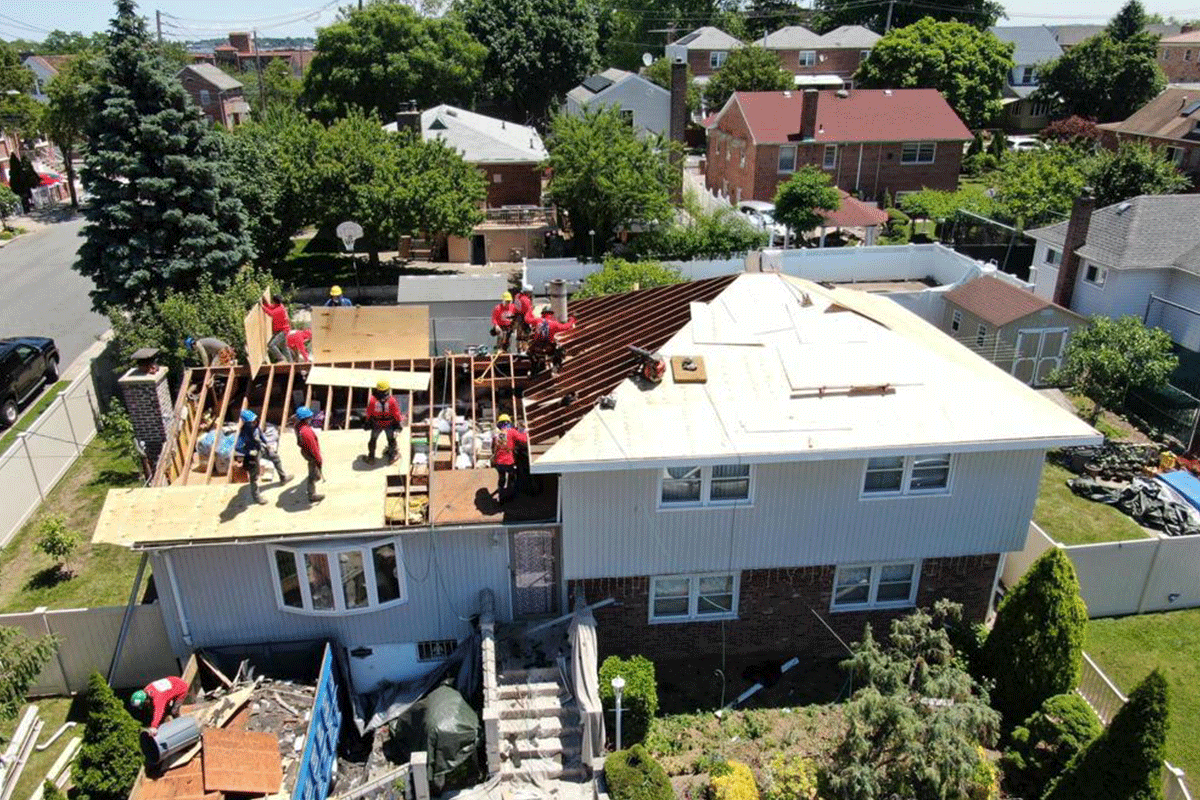
A roof in need of resort can be a nerve-racking state of affairs for any homeowner, but if the damage is caused by a sun-drenched like a surprise, hail, or fire your householder’s insurance policy may help wrap up the cost. However, navigating the policy claims work on can be . Understanding how roof resort insurance policy claims work can help you make knowledgeable decisions and assure that you re fully splashed.
Here s a partitioning of everything you need to know about roof repair insurance claims.
1. Understanding Your Homeowner s Insurance Policy
The first step in filing a roof resort insurance claim is sympathy your householder s policy insurance. Not all types of roof are sun-drenched under monetary standard policies, so it s crucial to read through the inside information of your particular plan.
What s Typically Covered?
-
Weather-related damage: Storms, hail, wind, and other natural disasters often cause roof that is sealed by insurance.
-
Fire : If a fire indemnification your roof, it is usually cloaked.
-
Fallen trees or junk: A tree descending onto your roof in a storm is typically mantled.
What s Not Covered?
-
Wear and tear: Damage from age or lack of maintenance is in the main not moss-grown.
-
Cosmetic damage: Small dents, scratches, or issues that don’t bear on the roof’s work may not be tiled.
-
Negligence: If the damage was caused by overlook or unsuccessful person to exert your roof, your claim may be denied.
It s requisite to review your policy with your policy provider so you can fully sympathise what s drenched in and what s not.
2. Document the Damage Thoroughly
Before you file a take, thoroughly document the roof damage. This will be crucial for your insurance policy take and could help travel rapidly up the process.
Here s what to do:
-
Take photographs: Get , elaborated photos of the damage, both -up and from a outstrip. If you can, try to take pictures from the run aground to avoid further damage or accidents.
-
Make a list: Write down all the disreputable areas. Be specific about what you see whether it’s missing shingles, leaks, or biological science .
-
Record the date: Note the date of the optical phenomenon(such as when the storm occurred) and when you first detected the damage.
This support will suffice as show when with both your policy provider and roofing contractor.
3. Contact Your Insurance Company
Once you’ve referenced the damage, it s time to contact your policy keep company. Notify them of the as soon as possible. Insurance companies often have a specific time redact within which you must account damage, so don t delay.
What You Should Expect:
-
Initial judgment: An adjuster will typically be sent out to assess the damage. They may visit your home to inspect the roof, take photos, and evaluate the of the damage.
-
Estimate of repairs: After the inspection, the claims adjuster will determine whether the damage is beaded by your insurance policy and provide an gauge of the resort cost.
Be prepared to serve any questions about the incident, such as how the damage occurred, when it occurred, and if you ve made temporary worker repairs(such as covering leaks with a tarp).
4. Get Multiple Repair Estimates
After your insurance company has provided an gauge, it s a good idea to get aggregate estimates from prestigious roofing contractors. This ensures that you re getting a fair terms for the repairs and that the policy companion s overestimate is philosophical theory.
When choosing a contractor, make sure to:
-
Verify their credential: Check that the contractor is authorised and insured person.
-
Review references: Look at customer reviews and ask for recommendations from friends or syndicate.
-
Check for see: Ensure they have go through with policy claims and sympathize the work on.
Once you have a few estimates, supply them to your insurance keep company. In some cases, the insurance policy supplier may be willing to adjust their initial offer supported on these estimates.
5. Understand Your Deductible
Before receiving a payout for your roof resort, you’ll need to sympathise your . The deductible is the total you ll need to pay out-of-pocket before your insurance reporting kicks in.
For example, if your deductible is 1,000 and the cost of repairs is 7,000, your policy will only pay 6,000.
Deductibles vary supported on your insurance and can calculate on the age of your roof or the type of damage. Be sure to factor out this into your budgeting for repairs.
6. Work with Your Roofing Contractor on Insurance Communication
Once your take is sanctioned and you’re ready to continue with repairs, your can help help between you and your insurance accompany. Some roofing companies even wield the paperwork on your behalf, ensuring that all estimates and documents are submitted aright and in a apropos manner.
They can also help any discrepancies between your insurer s judge and their own, possibly helping you procure a higher payout if necessary.
7. Be Aware of Depreciation and Actual Cash Value
When dealing with insurance claims for ROOF REPAIRS, you may encounter price like depreciation or actual cash value(ACV).
-
Depreciation refers to the loss in value of your roof over time due to age and wear. Insurance companies may deduct wear and tear from the repair cost, going away you with a small payout.
-
Actual Cash Value(ACV) is the amount the insurance companion determines your roof is Worth at the time of the damage, factorisation in wear and tear.
If you have a surrogate cost insurance policy(rather than an ACV policy), the insurance payout will wrap up the full cost of replacement the roof, minus the .
8. Be Prepared for Potential Disputes
It s possible that your insurance policy accompany may offer less money than you believe you re titled to, or they might deny your take birthday suit. If this happens:
-
Review your insurance policy to assure you sympathize the reporting limits and exclusions.
-
Challenge the decision: You can appeal the claim or request a re-inspection.
-
Consult a roofing professional person: A prestigious can help you tax the and cater a second opinion.
In some cases, you may need to ask a claims claim agent or an lawyer specializing in insurance disputes to ascertain a fair resultant.
Conclusion
Filing a roof repair insurance take can be irresistible, but understanding the work on and being prepared can help ease the saddle. By orienting yourself with your insurance policy policy, documenting , working with sure contractors, and informed what to expect, you can maximize your claim and get your roof replacement ed with stripped-down stress.
If you’re doubtful about anything during the work, don t hesitate to reach out to your policy federal agent or a professional roofing contractor for direction. Your home s protection is worth it.