
In today’s digital world, converting images into editable text has become a daily need. From students scanning notes to businesses digitizing documents, Picture to Text technology plays a powerful role. But have you ever wondered how Picture to Text tools actually work behind the scenes?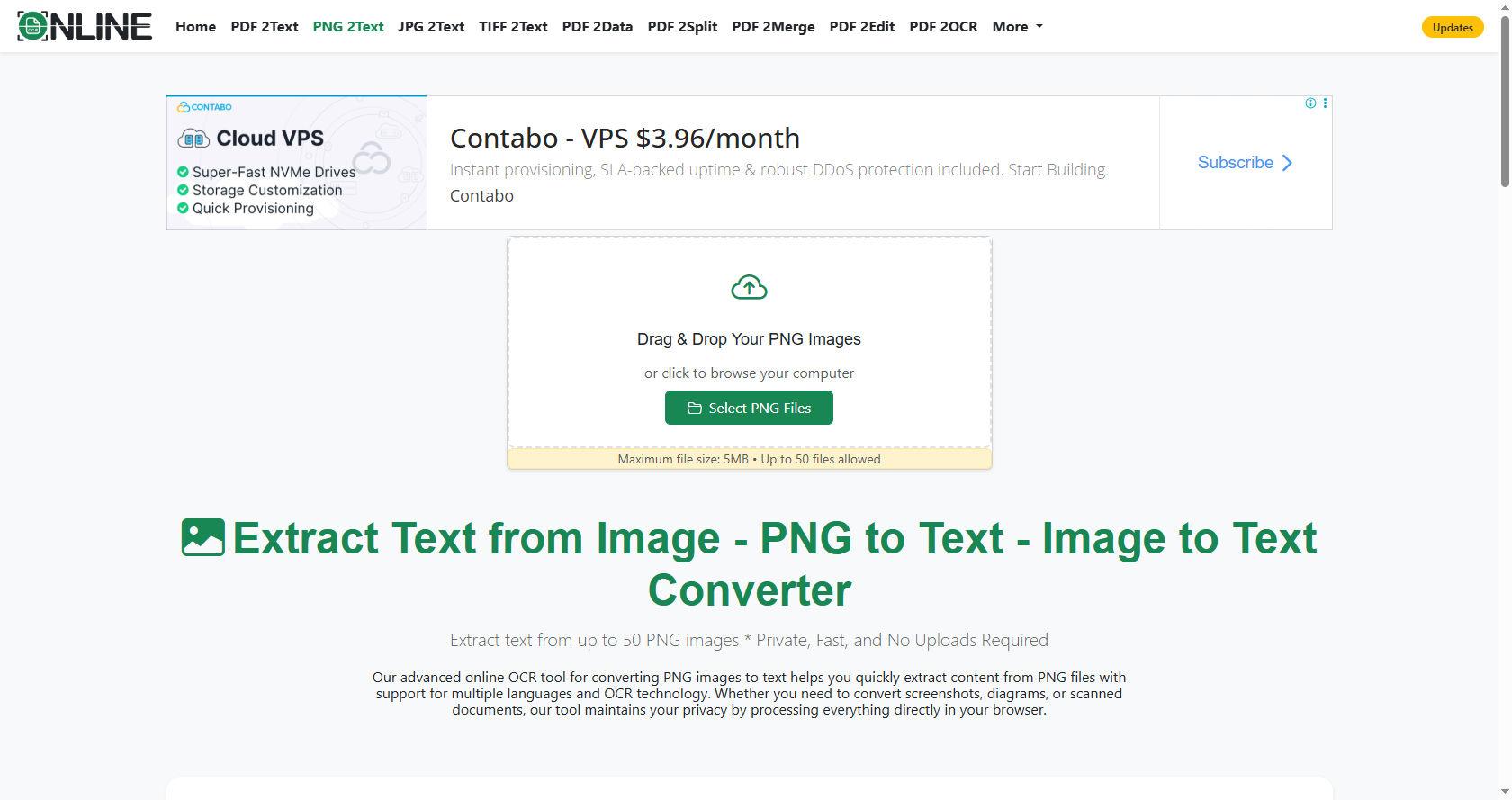
This comprehensive guide explains everything about Picture to Text image scanners in simple language. You will learn what Picture to Text means, how it functions step by step, what technologies support it, and why it is important in modern life.
By the end, you will clearly understand how Picture to Text systems turn images into readable, editable content.
What Is Picture to Text?
Picture to Text is a technology that converts written or printed text from an image into editable digital text. When you take a photo of a document and upload it to a scanner, the Picture to Text software reads the characters and transforms them into typed words.
Picture to Text is based on a technology called Optical Character Recognition, commonly known as OCR. OCR allows machines to recognize letters, numbers, and symbols inside images.
In simple terms, Picture to Text allows computers to “see” words in a picture and convert them into text you can copy, edit, or save.
The History Behind Picture to Text Technology
The concept behind Picture to Text began many decades ago. Early OCR systems were developed in the early 20th century to help visually impaired individuals read printed material.
Later, technology companies improved OCR systems using artificial intelligence. Organizations like Google and Adobe helped popularize Picture to Text features in scanning apps and PDF software.
Today, Picture to Text tools are smarter, faster, and more accurate because of machine learning and deep learning models developed by companies such as OpenAI.
How Does Picture to Text Actually Work?
To understand Picture to Text, we need to break it down into clear steps. Every Picture to Text image scanner follows a structured process.
Step 1: Image Capture
The first step in Picture to Text is capturing the image. This can be done using:
-
A smartphone camera
-
A scanner
-
A screenshot
-
A digital photograph
The quality of the image directly affects how well Picture to Text performs. Clear lighting and sharp focus improve accuracy.
Step 2: Image Preprocessing
Before the Picture to Text system reads the characters, it improves the image. This is called preprocessing.
During preprocessing, the software:
-
Removes noise (unwanted dots or shadows)
-
Adjusts brightness and contrast
-
Converts the image to black and white
-
Corrects tilted text
This step ensures that Picture to Text tools can clearly detect characters.
Step 3: Text Detection
Now the Picture to Text system identifies where the text is located in the image. It separates text from pictures or backgrounds.
Advanced Picture to Text software uses artificial intelligence to detect:
-
Lines of text
-
Paragraph blocks
-
Words
-
Individual characters
This step is very important because accurate detection improves final results.
Step 4: Character Recognition (OCR Process)
This is the core of Picture to Text technology.
OCR engines compare the shapes of characters in the image with stored patterns in a database. For example:
-
A round shape with a vertical line may be recognized as “P”
-
Two curves may be identified as “S”
Modern Picture to Text systems use machine learning instead of simple pattern matching. These AI-based systems learn from millions of examples, improving accuracy over time.
Step 5: Post-Processing
After recognizing characters, Picture to Text software checks for errors.
It uses:
-
Dictionaries
-
Grammar rules
-
Language models
For example, if Picture to Text reads “teh,” it may automatically correct it to “the.”
This final step ensures that Picture to Text produces clean, readable text.
Key Technologies Behind Picture to Text
Several technologies power modern Picture to Text tools.
Optical Character Recognition (OCR)
OCR is the foundation of Picture to Text systems. It converts images of text into machine-readable characters.
One well-known OCR engine is Tesseract. It is open-source and widely used in many Picture to Text applications.
Artificial Intelligence and Machine Learning
Modern Picture to Text systems rely heavily on AI. Machine learning models train on thousands of fonts and handwriting styles.
This allows Picture to Text tools to:
-
Recognize messy handwriting
-
Understand multiple languages
-
Detect different font styles
The more data the system learns from, the smarter the Picture to Text engine becomes.
Deep Learning and Neural Networks
Deep learning improves Picture to Text accuracy even further. Neural networks analyze patterns in complex ways.
Instead of just matching shapes, advanced Picture to Text systems understand context. They can predict words based on surrounding text, which reduces errors.
Types of Picture to Text Scanners
There are different types of Picture to Text tools available today.
Mobile Apps
Many smartphone apps provide instant Picture to Text features. You simply take a photo and convert it into text within seconds.
These apps are popular among students and professionals.
Online Picture to Text Tools
Web-based Picture to Text tools allow users to upload images without installing software.
These tools are convenient and easy to use.
Desktop Software
Professional Picture to Text software is often used in offices for scanning large volumes of documents.
These tools provide higher accuracy and advanced editing features.
Why Is Picture to Text Important?
Picture to Text technology offers many benefits.
Saves Time
Instead of typing documents manually, Picture to Text converts them instantly.
Improves Productivity
Businesses use Picture to Text to digitize records quickly.
Helps Students
Students use Picture to Text to scan notes, textbooks, and assignments.
Supports Accessibility
Picture to Text helps visually impaired individuals by converting printed text into digital formats that can be read aloud.
Factors That Affect Picture to Text Accuracy
Not all Picture to Text conversions are perfect. Several factors influence accuracy.
Image Quality
Blurry or dark images reduce Picture to Text performance.
Font Style
Decorative fonts can confuse Picture to Text systems.
Handwriting
Messy handwriting is harder for Picture to Text software to recognize.
Language Complexity
Some languages are more complex, making Picture to Text processing more challenging.
How AI Improves Picture to Text Over Time
Artificial intelligence makes modern Picture to Text systems smarter every year.
AI models analyze millions of documents and learn from mistakes. When users correct errors, Picture to Text systems improve.
Over time, Picture to Text tools become more accurate and faster.
Real-World Applications of Picture to Text
Picture to Text technology is used in many industries.
Education
Teachers scan worksheets using Picture to Text tools.
Students convert printed notes using Picture to Text apps.
Healthcare
Hospitals digitize medical records using Picture to Text software.
Banking
Banks process forms using automated Picture to Text systems.
Legal Industry
Law firms scan contracts and convert them using Picture to Text technology.
Advantages of Picture to Text Technology
There are many advantages to using Picture to Text tools.
-
Fast document conversion
-
Easy editing
-
Searchable text
-
Reduced manual typing
-
Improved storage
Picture to Text makes document management more efficient.
Limitations of Picture to Text
Although Picture to Text is powerful, it has some limitations.
-
Struggles with poor image quality
-
May misread handwriting
-
Can make grammar errors
-
Sometimes misses special symbols
However, modern Picture to Text systems continue to improve.
Security and Privacy in Picture to Text Tools
When using online Picture to Text tools, privacy is important.
Users should:
-
Choose trusted platforms
-
Avoid uploading sensitive documents
-
Check privacy policies
Secure Picture to Text tools protect user data through encryption.
The Future of Picture to Text Technology
The future of Picture to Text looks promising.
AI-powered systems will soon:
-
Recognize complex handwriting easily
-
Understand context better
-
Translate text instantly
-
Work offline with high accuracy
Picture to Text may also integrate with augmented reality and smart glasses.
How to Get the Best Results from Picture to Text
Here are some simple tips:
-
Use good lighting
-
Keep the camera steady
-
Avoid shadows
-
Capture straight images
-
Use high resolution
Following these steps improves Picture to Text accuracy significantly.
Comparing Traditional OCR and Modern Picture to Text
Traditional OCR relied on fixed patterns. It was less flexible.
Modern Picture to Text systems use AI and deep learning. They adapt to new fonts and styles.
This makes today’s Picture to Text tools much more powerful than older versions.
Common Myths About Picture to Text
Some people believe Picture to Text is always 100% accurate. This is not true.
Others think Picture to Text only works for printed text. In reality, many tools now recognize handwriting.
Understanding how Picture to Text works helps clear these myths.
Step-by-Step Example of Picture to Text in Action
Let’s imagine you scan a printed page.
-
You take a photo.
-
The Picture to Text tool cleans the image.
-
It detects text areas.
-
It recognizes characters.
-
It corrects mistakes.
-
It outputs editable text.
This entire Picture to Text process takes only seconds.
Conclusion
Picture to Text technology has transformed how we handle documents. It allows computers to convert images into editable text using OCR, artificial intelligence, and deep learning.
From students to businesses, Picture to Text saves time, improves productivity, and simplifies document management. While it has limitations, continuous improvements in AI are making Picture to Text more accurate and reliable every year.
As technology evolves, Picture to Text will become even smarter. It will recognize complex handwriting, understand multiple languages, and integrate seamlessly into everyday devices.
In simple words, Picture to Text is not just a scanning tool. It is a bridge between the physical and digital worlds. By understanding how Picture to Text works, you can use it more effectively and appreciate the advanced technology behind it.
The future of Picture to Text is bright, innovative, and full of possibilities.